
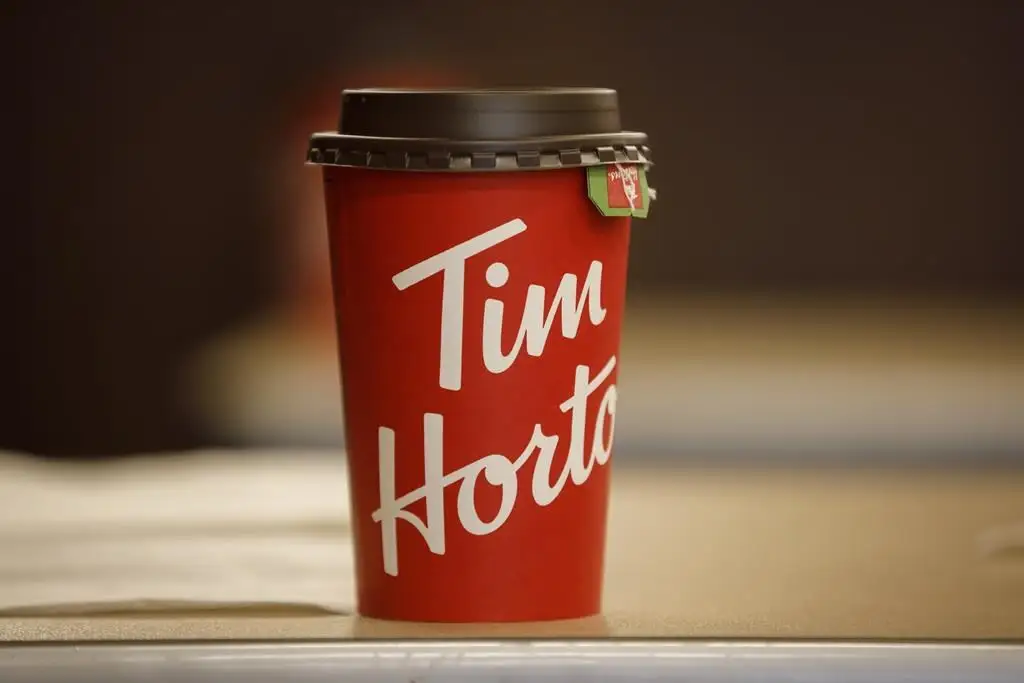
If your morning double-double feels a little pricier this week, you’re not imagining things.
Tim Hortons has officially raised the price of its coffee for the first time in three years — a move the company says is both necessary and reasonable.
According to a statement shared with CTV News, the increase works out to about 1.5% per cup — roughly three cents added to your order. The brand says that number is modest compared to the sharp climb in coffee bean costs over the last few years.
Why the Price Hike?
Tim Hortons reports that the price of green coffee beans has more than doubled since 2022, rising from $2.21 to $5.45 per pound, based on data from MarketWatch. That global spike has filtered down through every part of the supply chain — from importers and roasters to the cup in your hand.
At grocery stores, Canadians have been feeling the same jolt. Statistics Canada notes that the average retail price of coffee jumped 27.9% year-over-year this August.
Where Canada’s Coffee Comes From
Canada’s caffeine fix depends heavily on imports. Roughly a quarter of our beans come from Colombia, with Brazil, Mexico, Peru, and other Central American countries supplying most of the rest.
In July 2025, the nation imported over 131 million kilograms of unroasted coffee, worth more than $1.3 billion.
But the coffee you actually brew or buy at cafés often takes a longer route. Much of Canada’s roasted coffee still comes from the United States, where additional tariffs and trade measures have recently stirred the pot.
U.S. Tariffs Add to the Grind
According to StatCan, 3.9 million kilograms of roasted coffee entered Canada from the U.S. this past July.
Those shipments were among the products caught up in tariff exchanges between the U.S. and Canada — originally sparked by American duties on Brazilian coffee and followed by Canada’s own counter-tariffs.
The result?
Added costs for importers — and eventually, higher prices at the counter.
Rising Food Prices Across the Board
Coffee isn’t the only thing on the rise. Loblaw’s September food inflation report showed overall grocery prices climbing 3.5% in August, nearly double the national inflation rate of 1.9% for that month.
The company says tariff pressures pushed many food prices higher through the summer, but things have started to stabilize since most counter-tariffs were lifted on September 1.
Even so, Loblaw highlighted coffee as one of the hardest-hit products.
They point to ongoing 50% U.S. tariffs on Brazilian coffee, plus reports that some Brazilian growers are holding back beans as global markets remain volatile.
The Bottom Line
So, while a few extra cents per cup might sting, Tim Hortons insists the move is small compared to the global pressures shaping your morning brew.
With bean costs at record highs and ongoing trade ripples between the U.S. and Brazil, it’s fair to say your coffee is caught in a worldwide storm — and for now, it’s Canadians who are paying the difference at the drive-thru.
Live the North Takeaway
Coffee is part of Canada’s culture — from Tim’s runs in the snow to late-night hockey games — and a few cents won’t stop most of us from grabbing our daily cup.
But with rising global prices and tighter supply, this might be the perfect time to shop local roasters, explore Canadian coffee brands, or even brew your own beans at home.
Because one thing’s for sure — north of the 49th, our love for coffee isn’t cooling down anytime soon.